


Most people assume tortoises are low-maintenance rocks that occasionally move, but these ancient creatures actually demand complex environmental precision. A simple lighting mistake can shorten a tortoise's life by decades.
Choosing the right resource is the first step toward responsible ownership. Picking one of the Best Tortoises for Beginners requires understanding the specific needs of your chosen species before you bring it home.
Key Takeaways
- Prioritize guides that focus on a single species rather than those attempting to cover too many varieties at once.
- Check that the author includes specific, actionable temperature and humidity ranges for both day and night.
- Ensure the book provides a clear list of toxic plants that must be kept out of your enclosure.
- Look for detailed sections on metabolic bone disease prevention through proper calcium and UV supplementation.
- Verify the publication date or information accuracy to ensure dietary guidelines align with modern veterinary research.
| Best Overall Reference |  |
Tortoises for Beginners Husbandry Guide | Covers multiple species | Beginner friendly language | Logical husbandry layout | View on Amazon | Read Review |
| Comprehensive Species Directory |  |
Complete Tortoise Keeper’s Bible | Wide species variety | Step-by-step instructions | Breeding information included | View on Amazon | Read Review |
| Leopard Specialist Manual |  |
Leopard Tortoise Care Guide | Species specific focus | Clear habitat instructions | Detailed growth tracking | View on Amazon | Read Review |
| Hermann’s Best Practice | 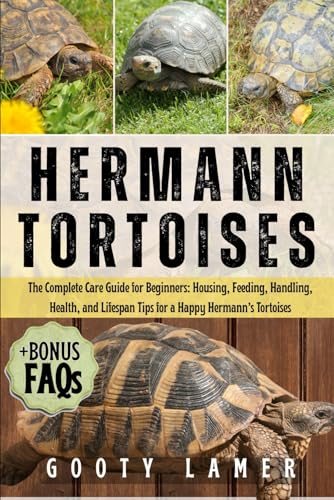 |
Hermann Tortoise Care Guide | Detailed handling advice | Clear lifespan expectations | Practical feeding tips | View on Amazon | Read Review |
| Russian Tortoise Essential |  |
Russian Tortoise Care Handbook | Clear habitat instructions | Nutritional breakdown | Health maintenance routines | View on Amazon | Read Review |
| Arid Environment Expert |  |
Desert Tortoise Beginner Handbook | Specialized environmental advice | Clear health protocols | Breeding insights | View on Amazon | Read Review |
| Greek Tortoise Companion |  |
Greek Tortoise Care Handbook | Easy to follow | Good housing tips | Clear health overview | View on Amazon | Read Review |
| Value-Driven Hermann’s Manual |  |
Hermann’s Tortoise Owner’s Guide | Covers ownership costs | Quick reference style | Behavioral insights | View on Amazon | Read Review |
| Redfoot Success Guide |  |
Redfoot Tortoise Beginner Manual | Humidity advice | Detailed diet plan | Habitat instructions | View on Amazon | Read Review |
| Giant Tortoise Primer |  |
Sulcata Tortoise Care Manual | Growth management advice | Space requirement details | Nutrition focus | View on Amazon | Read Review |
More Details on Our Top Picks
-
Tortoises for Beginners Husbandry Guide
If you are just starting your journey into reptile keeping, this book acts as a solid foundation. It covers the essential requirements for multiple species, ensuring you understand the basic biological needs before bringing an animal home.
You will appreciate how it simplifies complex husbandry tasks into manageable steps. While it provides excellent breadth, it lacks the deep, species-specific nuance you might need once you settle on one particular type of tortoise.
- Species Focus:General overview
- Guide Format:Husbandry focused
- Habitat Advice:Basic setups
- Health Maintenance:Preventive care
- Additional Feature:Diet requirements
- Additional Feature:Environmental guidelines
- Additional Feature:Behavioral insights
-
Complete Tortoise Keeper’s Bible
Think of this book as a Swiss Army knife for your bookshelf. It offers a wide scope, addressing the unique needs of six common species, which makes it perfect if you are still deciding which tortoise fits your lifestyle.
The text leans into practical maintenance tips that keep your pet healthy over the long term. Because it covers so much ground, it does not spend as much time on the minor behavioral quirks of each individual species.
- Species Focus:Six common types
- Guide Format:Step-by-step manual
- Habitat Advice:Detailed enclosures
- Feeding Protocols:Nutritional guides
- Health Maintenance:Disease prevention
- Target Audience:New owners
- Additional Feature:Breeding guidance
- Additional Feature:Troubleshooting advice
- Additional Feature:Long-term care tips
-
Leopard Tortoise Care Guide
Leopard tortoises require specific humidity and temperature control to thrive. This guide provides the specialized focus needed to master these environmental variables without feeling overwhelmed by general information.
You will find the feeding schedules and habitat layouts particularly helpful for keeping a growing animal. It is a focused resource that stays on topic, meaning it offers little value if you eventually choose a different breed.
- Species Focus:Leopard tortoise
- Guide Format:Step-by-step
- Habitat Advice:Environmental setup
- Feeding Protocols:Dietary needs
- Health Maintenance:Disease management
- Target Audience:Leopard owners
- Additional Feature:Growth milestones
- Additional Feature:Lighting requirements
- Additional Feature:Hydration tips
-
Hermann Tortoise Care Guide
Hermann’s tortoises are popular for their personality, but they have distinct needs for proper development. This book breaks down the life cycle and daily care requirements to ensure your pet stays active and healthy.
The section on handling and interaction is a highlight for those who want a social pet. It is a straightforward read, though it stays strictly within the lane of this single species.
- Species Focus:Hermann’s
- Guide Format:Comprehensive guide
- Habitat Advice:Enclosure design
- Feeding Protocols:Proper diet
- Health Maintenance:Wellness checks
- Target Audience:New keepers
- Additional Feature:Behavioral advice
- Additional Feature:Lifespan insights
- Additional Feature:Interaction tips
-
Russian Tortoise Care Handbook
Russian tortoises are hardy, making them an excellent choice for a first-time owner. This handbook gives you the exact blueprints for building a habitat that mirrors their natural, arid environment.
You will benefit from the long-term maintenance strategies included here, which are often overlooked in shorter guides. Be aware that the focus is narrow, strictly dedicated to the Russian species.
- Species Focus:Russian tortoise
- Guide Format:Handbook
- Habitat Advice:Setup requirements
- Feeding Protocols:Diet plan
- Health Maintenance:Preventive care
- Target Audience:Beginners
- Additional Feature:Maintenance schedules
- Additional Feature:Activity tips
- Additional Feature:Daily care logs
-
Desert Tortoise Beginner Handbook
Caring for a desert-dwelling species requires a specific mindset regarding heat and hydration. This book serves as a reliable mentor, walking you through the unique challenges of keeping a species adapted to harsh, dry climates.
The habitat setup section is particularly thorough, helping you build an enclosure that prevents common health issues. It is highly technical, which might feel dense if you prefer a more casual reading experience.
- Species Focus:Desert tortoise
- Guide Format:Handbook
- Habitat Advice:Desert enclosure
- Feeding Protocols:Wild-style diet
- Health Maintenance:Disease identification
- Target Audience:New owners
- Additional Feature:Breeding requirements
- Additional Feature:Long-term ownership advice
- Additional Feature:Habitat design
-
Greek Tortoise Care Handbook
The Greek tortoise is a fascinating pet that demands a clear understanding of Mediterranean conditions. This handbook acts like a map, guiding you through the necessary steps to recreate their ideal living conditions at home.
You will find the feeding and housing chapters very easy to follow. It focuses deeply on this specific animal, so it won’t help you if you are stuck between different species.
- Species Focus:Greek tortoise
- Guide Format:Beginner guide
- Habitat Advice:Housing requirements
- Feeding Protocols:Nutrition basics
- Health Maintenance:Wellness care
- Target Audience:Beginners
- Additional Feature:Behavioral overview
- Additional Feature:Dietary guidance
- Additional Feature:Habitat tips
-
Hermann’s Tortoise Owner’s Guide
If you want a quick reference guide for your Hermann’s tortoise, this book is a perfect fit. It covers the essential costs and daily tasks you need to manage, making it a very practical investment.
The text is structured to answer common questions about diet and behavior quickly. Because it is concise, it lacks some of the deep, encyclopedic details found in larger volumes.
- Species Focus:Hermann’s
- Guide Format:Owner’s guide
- Feeding Protocols:Diet plan
- Health Maintenance:Health monitoring
- Target Audience:New owners
- Additional Feature:Cost analysis
- Additional Feature:Interaction tips
- Additional Feature:Daily care routines
-
Redfoot Tortoise Beginner Manual
Redfoot tortoises are distinct from other common species because they require higher humidity and a varied diet. This manual is the go-to resource for understanding these specific, non-negotiable differences.
It provides a clear roadmap for habitat design that keeps your tortoise active. While it is excellent for this species, it does not provide information on any other type of tortoise.
- Species Focus:Redfoot
- Guide Format:Manual
- Habitat Advice:Tropical setup
- Feeding Protocols:Varied diet
- Target Audience:Beginners
- Additional Feature:Tropical care tips
- Additional Feature:Dietary variety
- Additional Feature:Maintenance schedule
-
Sulcata Tortoise Care Manual
Sulcata tortoises grow quite large, and this book prepares you for the long-term commitment of keeping a giant species. It is a vital read for anyone who wants to ensure their tortoise has enough space and proper nutrition as it grows.
The focus on nutrition and habitat space is the most valuable part of this manual. Since these tortoises have such specific growth requirements, this guide is essential reading before you buy.
- Species Focus:Sulcata
- Guide Format:Care manual
- Habitat Advice:Space requirements
- Feeding Protocols:Nutrition guide
- Health Maintenance:Wellness checks
- Target Audience:New owners
- Additional Feature:Growth insights
- Additional Feature:Dietary planning
- Additional Feature:Enclosure design
Frequently Asked Questions
Can I keep my tortoise in a glass aquarium?
Glass tanks are generally a poor choice for tortoises. The lack of ventilation leads to respiratory infections, and the animal will constantly pace against the glass because it cannot understand why it cannot walk through the wall. Use an open-top wooden enclosure instead.
Do tortoises need a friend to be happy?
Tortoises are solitary creatures by nature. They do not experience loneliness or require a companion to thrive. Keeping two males together often leads to aggressive fighting, so it is safer and easier to keep your pet alone.
How often do I need to clean the enclosure?
You should spot-clean the enclosure daily to remove waste and uneaten food. A deep clean where you replace the entire substrate is usually necessary every few weeks, depending on the size of the pen. Maintaining a clean environment is the best way to prevent bacterial infections.
Will my tortoise hibernate during the winter?
Some species naturally hibernate, but this is a risky process that should only be attempted by experienced owners. Many beginners choose species that stay active year-round to avoid the stress and danger of brumation. Always consult a vet before attempting to put your tortoise into a dormant state.
Is it safe to let my tortoise roam the house?
Letting a tortoise roam freely is dangerous. They can easily get stuck under furniture, eat small objects off the floor, or become chilled by floor drafts. It is better to use a secure outdoor pen during warm weather or keep them safely in their dedicated indoor enclosure.