

The biggest difference between a frustrating start and a smooth one is clear guidance. You need resources that explain exactly where to place your fingers and how to count the rhythm.
Starting with the Best Beginner Fiddles setup requires more than just an instrument. It requires a roadmap. These four essentials help you progress steadily from your first screech to a recognizable tune.
Key Takeaways
- Prioritize clear visual aids or diagrams that show exactly where your fingers should land on the neck.
- Choose instructional books that emphasize rhythm and proper bow control over complex techniques.
- Look for collections that offer a wide variety of traditional tunes to keep your practice sessions interesting.
- Ensure your instructional materials match the specific size of your instrument, especially for younger learners.
- Focus on resources that break down complex songs into manageable, bite-sized sections for steady improvement.
| Essential Learning Aid | 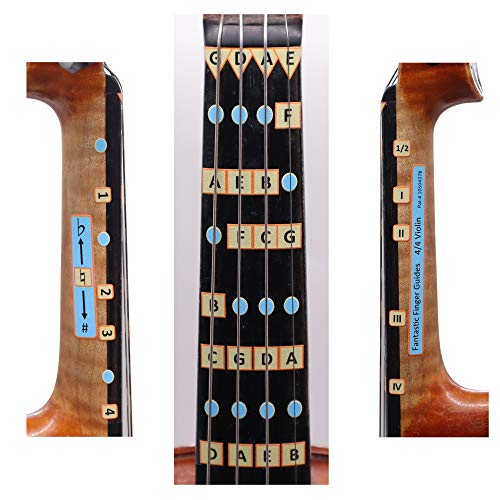 |
Fantastic Finger Guide Violin Stickers | Immediate visual note feedback | Easy to apply stickers | Ideal for beginners | View on Amazon | Read Review |
| Ultimate Song Collection |  |
The Fiddler's Fakebook Sourcebook | Massive 500 song library | Diverse folk genres | Excellent reference material | View on Amazon | Read Review |
| Kid Friendly Curriculum | 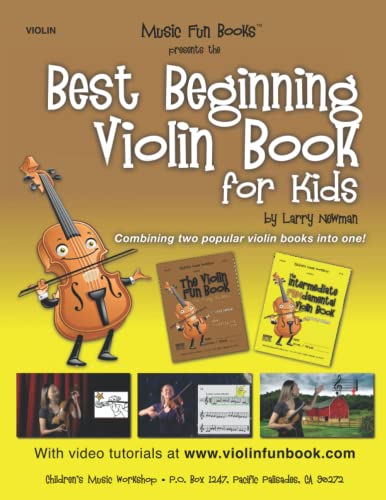 |
Best Beginning Violin Book | Combines two teaching methods | Tailored for younger children | Engaging, simple exercises | View on Amazon | Read Review |
| Structured Fiddling Foundation |  |
Fiddle Studio Book One | Clear folk focus | Logical lesson progression | Emphasis on style | View on Amazon | Read Review |
More Details on Our Top Picks
-
Fantastic Finger Guide Violin Stickers
If you are worried about hitting the right notes, these stickers act like a vocal coach for your fingers. They apply directly to the fingerboard to show you exactly where to place your digits. It is like having a map on a road trip where you are otherwise prone to getting lost.
These are perfect for adults who want to bypass the frustration of guessing their intonation. You get a clear visual reference for every note on the fingerboard. The only downside is that you will eventually need to peel them off to develop your natural muscle memory and ear training.
- Resource Type:Fingerboard guide
- Target Audience:Adult beginners
- Skill Level:Absolute beginner
- Instrument Size:4/4 full size
- Additional Feature:Clear note identification
- Additional Feature:Simple peel and stick
- Additional Feature:Universal layout for violins
-
The Fiddler's Fakebook Sourcebook
Think of this book as the encyclopedia of traditional folk. It contains a massive variety of 500 jigs, reels, and hornpipes that form the backbone of fiddling. If you want to build a library of music that will last for years, this is the place to start.
It covers a huge range of Americana and folk styles, providing you with enough material to keep your practice sessions fresh for a lifetime. Because it focuses on the music rather than technique, it works best once you have a basic grasp of bowing. It is essentially a menu for your ears.
- Resource Type:Sheet music collection
- Target Audience:Traditional fiddlers
- Skill Level:Intermediate
- Content Focus:Folk and Americana
- Additional Feature:Authentic traditional arrangements
- Additional Feature:Wide variety of rhythms
- Additional Feature:Organized by song type
-
Best Beginning Violin Book
This book combines two established series into one single, coherent path for younger players. It breaks down complex technical hurdles into small, manageable steps that keep a child interested rather than overwhelmed. It functions like a friendly guide walking a student through their first few months.
The approach focuses on building a foundation through songs and exercises that feel like play. It is specifically written to keep engagement high during those early days of awkward squeaks and scratchy tones. Just keep in mind that a parent or teacher will likely need to guide the student through the reading parts early on.
- Resource Type:Instructional method book
- Target Audience:Children
- Skill Level:Beginner
- Content Focus:Foundation technique
- Additional Feature:Progressive learning path
- Additional Feature:Student centered design
- Additional Feature:Clear, simple instructions
-
Fiddle Studio Book One
Learning to fiddle is quite different from playing classical violin, and this book highlights that distinction immediately. It focuses on the rhythmic pulse and style required for folk music right from the first page. It is a perfect choice if you want to play music at a kitchen table session instead of a concert hall.
The lessons move logically, teaching you how to hold the bow and produce a clear tone before adding in ornamentation. You will find it very helpful if you prefer a step by step methodology over jumping straight into complex songs. You might find it moves a bit too quickly if you have never held an instrument before, so take your time with each chapter.
- Resource Type:Instructional method book
- Target Audience:Fiddle beginners
- Skill Level:Beginner
- Content Focus:Fiddling technique
- Additional Feature:Focused bowing exercises
- Additional Feature:Traditional style tips
- Additional Feature:Practical skill building