

Opera is often mistaken for a loud, inaccessible art form. In truth, it is simply human emotion amplified through music. You do not need a degree in music theory to appreciate a well-crafted aria.
Finding the Best Opera Recordings for Beginners requires a balance of historical context and pure listening pleasure. These resources offer a solid foundation for your musical journey.
Key Takeaways
- Prioritize guides that provide clear plot summaries alongside recommendations for specific historical performances.
- Look for collections that offer curated lists of essential recordings to avoid aimless searching.
- Ensure any instructional books include digital audio access for immediate auditory feedback.
- Favor authors who balance technical expertise with a conversational, accessible writing style.
- Check that songbooks clearly label the difficulty level to match your current skill as a performer.
| Essential Narrative Foundation |  |
The History of Opera For Beginners | Clear chronological approach | Accessible writing style | Strong historical context | View on Amazon | Read Review |
| Vintage Archival Treasure | 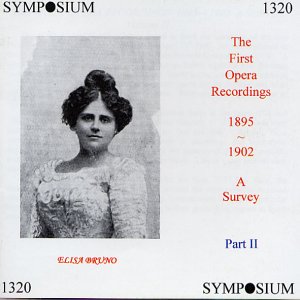 |
First Opera Recordings 1895-1902 Survey | Rare early performances | Authentic historical sound | Scholarly curation | View on Amazon | Read Review |
| Witty Plot Companion | 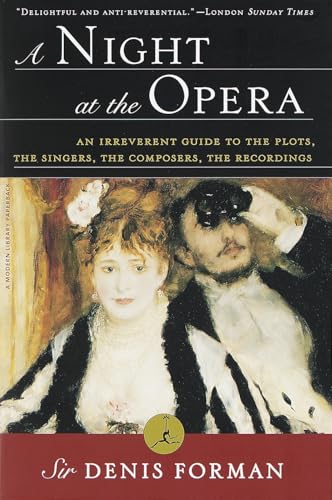 |
A Night at the Opera Guide | Highly entertaining writing | Comprehensive plot summaries | Practical listening advice | View on Amazon | Read Review |
| Serious Discography Resource | 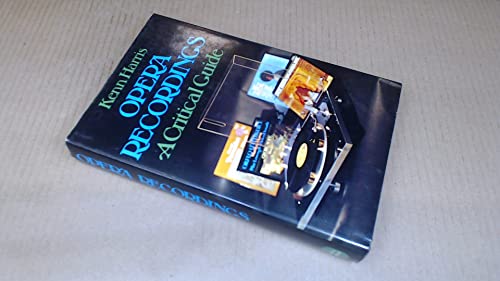 |
Opera Recordings A Critical Guide | Extensive performance evaluations | Informed critical perspective | Logical organizational structure | View on Amazon | Read Review |
| Practical Instrumental Entry |  |
Easy Renaissance Pieces for Guitar | Accessible arrangements | High-quality audio tracks | Varied musical selection | View on Amazon | Read Review |
| Melodic Practice Tool |  |
Rubank Book of Flute Solos | Professionally edited arrangements | Includes piano accompaniment | Helpful practice tracks | View on Amazon | Read Review |
| Foundational Technique Builder |  |
Czerny Practical Method for Beginners | Proven pedagogical structure | Builds essential dexterity | Clear instructional layout | View on Amazon | Read Review |
| Fingerstyle Skill Starter | 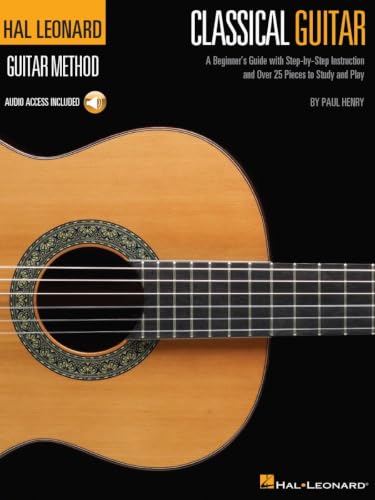 |
Hal Leonard Classical Guitar Method | Logical, step-by-step progression | Solid sight-reading foundation | Included audio demonstrations | View on Amazon | Read Review |
| Accessible Ensemble Introduction |  |
Trapp Family Recorder Method | Encourages ensemble play | Simple, clear instructions | Wide variety of arrangements | View on Amazon | Read Review |
| Comprehensive General Primer |  |
Opera 101 Learning Guide | Covers all essential basics | Very readable for beginners | Explains voice types clearly | View on Amazon | Read Review |
More Details on Our Top Picks
-
The History of Opera For Beginners
Start your journey here if you want to understand the evolution of the art form without getting bogged down in technical jargon. It treats the complex timeline of opera like a clear, chronological story, making it easy to see how one era influenced the next.
This is a perfect entry point for those who find the sheer scale of opera history intimidating. While it lacks actual audio clips to demonstrate the sounds it describes, the text provides the critical historical context needed to appreciate any recording you pick up later.
- Publication Type:Educational book
- Focus Area:Opera history
- Target Audience:Absolute beginners
- Additional Feature:Illustrated timelines
- Additional Feature:Biographical summaries
- Additional Feature:Era-specific insights
-
First Opera Recordings 1895-1902 Survey
Collectors and curious historians will appreciate this carefully curated survey of the earliest captured vocal performances. You get a raw look at how the medium sounded when it was in its infancy, preserving the techniques of long-gone singing masters.
Be aware that these are historical artifacts, so the audio quality will be thin and scratchy compared to modern studio releases. Use this as a companion piece to help you trace the origins of performance styles that have since evolved significantly.
- Publication Type:Audio archive
- Focus Area:Early vocal technique
- Audio Format:Remastered historical tracks
- Target Audience:Opera historians
- Skill Level:Advanced listeners
- Additional Feature:Rare 19th-century recordings
- Additional Feature:Detailed performance notes
- Additional Feature:Chronological track listing
-
A Night at the Opera Guide
If you prefer your education with a side of personality, this guide is for you. It covers the major plot points and composer biographies with a sharp, irreverent tone that strips away the stuffiness often associated with high art.
It acts as a reliable map for your first few trips to the theater or your initial listening sessions at home. The book leans heavily into the dramatic flair of the stories themselves, though it focuses more on trivia and opinion than deep musical theory.
- Publication Type:Trade paperback
- Focus Area:Opera appreciation
- Target Audience:Casual listeners
- Additional Feature:Composer biographies
- Additional Feature:Recorded performance recommendations
- Additional Feature:Plot synopses
-
Opera Recordings A Critical Guide
This guide serves as a professional reference manual for building your personal music library. It breaks down various versions of standard repertoire, helping you distinguish between a good performance and a truly great one.
It functions like a trusted advisor when you are staring at a shelf full of different versions of the same work. Because it is highly critical and opinionated, you might disagree with some of the author's preferences, but the expert analysis remains invaluable.
- Publication Type:Reference guide
- Focus Area:Discography critique
- Target Audience:Serious collectors
- Additional Feature:Comparative recording reviews
- Additional Feature:Performance rating system
- Additional Feature:Repertoire analysis
-
Easy Renaissance Pieces for Guitar
If you want to play the music rather than just listen to it, this collection offers a gentle introduction to Renaissance themes. It adapts complex vocal and lute works into manageable pieces for the classical guitar.
The included online audio allows you to hear the intended phrasing, which is essential for capturing the right mood. Keep in mind that this is a performance-focused book, so it will not teach you about opera plots or historical context.
- Publication Type:Sheet music songbook
- Focus Area:Classical guitar
- Audio Format:Online audio
- Target Audience:Guitar students
- Skill Level:Beginner to intermediate
- Additional Feature:61 lute transcriptions
- Additional Feature:Performance audio access
- Additional Feature:Progressive difficulty levels
-
Rubank Book of Flute Solos
This collection is a staple for students looking to master the lyrical melodies often found in operatic arias. By playing these pieces yourself, you gain a visceral understanding of the phrasing and breath control required by opera singers.
The book provides a balanced mix of works that are challenging enough to build skill but simple enough to stay fun. It is an excellent practice resource, though it is strictly limited to the flute rather than vocal performance.
- Publication Type:Sheet music songbook
- Focus Area:Flute performance
- Audio Format:Online audio tracks
- Target Audience:Flute students
- Skill Level:Easy
- Additional Feature:Piano backing tracks
- Additional Feature:Classical repertoire focus
- Additional Feature:Instructional practice tools
-
Czerny Practical Method for Beginners
Every musician needs a solid technical base, and this method is the gold standard for developing piano dexterity. Many of the exercises here prepare your hands for the demanding passages you will hear in operatic piano transcriptions.
It is a dry but necessary volume for any student who wants to eventually tackle the piano scores of famous operas. Because it is a technical manual, do not expect any narrative or historical information about the genre.
- Publication Type:Technique book
- Focus Area:Piano exercises
- Audio Format:Online audio
- Target Audience:Piano students
- Skill Level:Beginner
- Additional Feature:Etudes for development
- Additional Feature:Audio practice aids
- Additional Feature:Comprehensive scale work
-
Hal Leonard Classical Guitar Method
This method book is a clear, structured path for learning the basics of classical guitar. It introduces the techniques needed to play simple, elegant melodies that mirror the beauty of the operatic voice.
It is best suited for you if you are starting from zero and want a disciplined approach to learning music theory and sight-reading. Like other method books, it focuses on physical technique over listening appreciation.
- Publication Type:Instructional book
- Focus Area:Classical guitar
- Audio Format:Online audio
- Target Audience:New guitarists
- Skill Level:Beginner
- Additional Feature:Fingerstyle techniques
- Additional Feature:Sight-reading exercises
- Additional Feature:Classical repertoire introduction
-
Trapp Family Recorder Method
If you want to experience the joy of chamber music without years of training, the recorder is a surprisingly effective entry point. This method allows you to play through various duets and trios that capture the ensemble spirit of an opera.
The book is remarkably easy to follow, making it a great choice for casual home music-making. It is not an opera study guide, but it teaches you how to listen and respond to other musicians in an ensemble setting.
- Publication Type:Method book
- Focus Area:Recorder performance
- Target Audience:Recorder students
- Skill Level:Beginner
- Additional Feature:Duets and trios
- Additional Feature:Embellishment guides
- Additional Feature:Progressive song selection
-
Opera 101 Learning Guide
This is arguably the most well-rounded introduction you can find for a complete beginner. It covers everything from how to buy your first tickets to understanding the different voice types you will hear on stage.
It acts as a friendly, knowledgeable guide that answers the questions you might be too shy to ask. While it won't teach you to play an instrument, it gives you the intellectual framework to appreciate the complexities of the singing voice.
- Publication Type:Educational guide
- Focus Area:Opera appreciation
- Target Audience:New listeners
- Additional Feature:Glossary of terms
- Additional Feature:Voice type explanations
- Additional Feature:Theater etiquette tips
Frequently Asked Questions
Do I need to understand the plot before I listen?
You do not need to memorize the script, but reading a one-page summary beforehand helps immensely. Knowing the main conflict keeps you from getting lost during long arias. Think of it as checking the map before you start a road trip.
Are these recordings expensive?
Digital downloads and streaming platforms make opera very affordable. You can access entire catalogs for a monthly subscription fee. Physical box sets remain a bit pricier, but they serve as a beautiful collection for your home library.
Which composer is best for a first-timer?
Start with Wolfgang Amadeus Mozart or Giacomo Puccini. Their melodies are remarkably catchy and easy to follow. They write music that hooks you immediately, unlike some of the more experimental composers who require more patience.
Should I buy a DVD or an audio recording?
Audio recordings allow you to focus entirely on the vocal nuance and the orchestra. DVDs offer a visual spectacle, which can be helpful if you find the staging keeps your attention better. Try an audio-only version first to let your imagination set the scene.
How long are these recordings?
A full opera usually runs between two and four hours. Many recordings split these into acts, so you do not have to listen in one sitting. Treat it like a long movie rather than a single song.