


Does every step feel like walking on hot coals? Persistent nerve pain in the ankle often points toward the need for footwear that prioritizes stability and relief.
Identifying the Best Shoes for Tarsal Tunnel Syndrome requires moving past generic comfort claims. I analyzed ten options to show you what actually matters for your daily movement. Keep reading to find the right fit for your specific needs.
Key Takeaways
- Prioritize a deep, cushioned heel cup to prevent nerve compression during every stride.
- Choose shoes with a stable, supportive arch to stop your foot from rolling inward.
- Seek out a wide toe box that gives your forefoot room to spread naturally.
- Look for firm midsoles that act like a shock absorber for your sensitive ankle area.
- Select footwear with adjustable closures to accommodate swelling throughout the day.
| Superior Impact Absorption |  |
Brooks Ghost Max 3 Neutral Shoe | High-level impact protection | Smooth transition mechanics | Reliable neutral support | View on Amazon | Read Review |
| All-Day Comfort Choice |  |
Skechers Max Cushioning Endeavour | Lightweight construction | Excellent underfoot softness | Breathable interior materials | View on Amazon | Read Review |
| Best Stability Platform |  |
Brooks Adrenaline GTS 25 | Advanced stability tech | Consistent arch support | Structured heel lock | View on Amazon | Read Review |
| Maximum Volume Design |  |
Scurtain Wide Diabetic Walking Shoe | Extra wide toe box | Highly adjustable fit | Breathable upper material | View on Amazon | Read Review |
| Essential Medical Recovery | 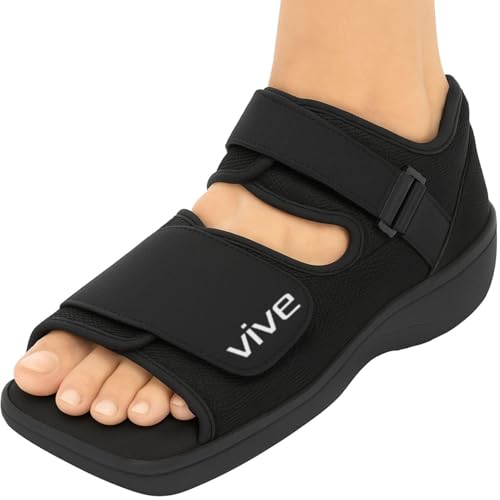 |
Vive Post Op Recovery Shoe | Rigid foot protection | Easy strap adjustments | Universal left or right fit | View on Amazon | Read Review |
| Precise Pressure Relief |  |
BraceAbility Closed Toe Walking Shoe | Excellent nerve protection | Secure, firm fit | Durable construction | View on Amazon | Read Review |
| Natural Movement Enthusiast | JACKSHIBO Wide Toe Box Sneakers | Natural toe splay | Zero drop foundation | Wide-fit design | View on Amazon | Read Review | |
| Supportive Daily Walker |  |
LOCFIR Wide Orthopedic Sneakers | Dedicated arch support | Comfortable wide fit | Secure lace-up design | View on Amazon | Read Review |
| Effortless Hands-Free Entry |  |
Orthofeet Yari Slip-On Shoe | Convenient slip-on entry | Excellent arch support | Stretchable, forgiving fit | View on Amazon | Read Review |
| Targeted Pain Management | OrthoComfoot Wide Orthotic Sneaker | Strong arch alignment | Spacious wide fit | Shock-absorbing heel | View on Amazon | Read Review |
More Details on Our Top Picks
-
Brooks Ghost Max 3 Neutral Shoe
If you struggle with the sharp, radiating pain of tarsal tunnel syndrome, this shoe acts like a plush buffer between your nerves and the unforgiving pavement. The thick midsole geometry encourages a smooth heel-to-toe transition that minimizes the mechanical stress on your ankle.
You will appreciate the stable base that keeps your foot aligned during long walks. It is not the lightest option on this list, but the trade-off for that extra cushioning is well worth it for daily relief.
- Brand Name:Brooks
- Footwear Type:Running and Walking
- Closure Style:Lace-up
- Additional Feature:Generous midsole cushioning
- Additional Feature:Balanced heel-to-toe drop
- Additional Feature:Durable rubber outsole
-
Skechers Max Cushioning Endeavour
These sneakers prioritize a soft landing with every step, which is vital when nerve compression makes your feet hypersensitive. The lightweight design prevents your legs from feeling heavy by the end of the shift.
The breathable insole helps keep your feet cool, preventing the moisture buildup that can lead to irritation. While the aesthetic is very casual, the focus on interior comfort remains its strongest asset.
- Brand Name:Skechers
- Footwear Type:Running Shoe
- Closure Style:Lace-up
- Additional Feature:Air-cooled foam insole
- Additional Feature:Ultra-light responsive cushioning
- Additional Feature:Padded collar support
-
Brooks Adrenaline GTS 25
Many runners find that over-pronation exacerbates nerve pain in the ankle. This model uses a structured guidance system to keep your stride efficient without forcing your foot into an unnatural position.
The balanced support is firm enough to prevent the rolling motions that aggravate the tarsal tunnel. It is a fantastic choice if you need a shoe that feels secure and predictable on varied surfaces.
- Brand Name:Brooks
- Footwear Type:Running and Walking
- Closure Style:Lace-up
- Additional Feature:Integrated support rails
- Additional Feature:Responsive foam cushioning
- Additional Feature:Breathable engineered mesh
-
Scurtain Wide Diabetic Walking Shoe
When your foot is swollen or you suffer from nerve sensitivity, traditional narrow shoes are pure agony. These sneakers offer a wide, accommodating fit that creates plenty of space around the tarsal tunnel, reducing pressure points significantly.
The adjustable closure allows you to customize the tightness throughout the day as your foot volume changes. This is a practical, no-nonsense tool for those who prioritize roominess over athletic performance.
- Brand Name:Scurtain
- Footwear Type:Walking Shoe
- Closure Style:Adjustable Strap
- Additional Feature:Zero drop sole
- Additional Feature:Accommodates edema
- Additional Feature:Lightweight construction
-
Vive Post Op Recovery Shoe
Sometimes you need to take the weight off your foot entirely to let the inflammation subside. This boot provides a sturdy, rigid platform that limits motion and prevents the foot from flexing in ways that irritate the nerves.
It is best used as a temporary measure during acute flare-ups rather than for long-distance exercise. The simple straps make it easy to secure the shoe even when your range of motion is restricted by pain.
- Brand Name:Vive
- Footwear Type:Medical Boot
- Closure Style:Adjustable Hook and Loop
- Additional Feature:Non-slip tread
- Additional Feature:Lightweight design
- Additional Feature:Fits over bandages
-
BraceAbility Closed Toe Walking Shoe
Think of this as a protective shell for your foot when every step feels like a sharp jab. By locking your foot into a stable, semi-rigid position, you prevent the micro-movements that typically pinch the nerves in the tarsal canal.
The closed-toe design offers extra protection against bumps and collisions, which is ideal if you are recovering from a surgery or injury. It is a specialized tool for clinical recovery phases.
- Brand Name:BraceAbility
- Footwear Type:Medical Walking Shoe
- Closure Style:Adjustable Straps
- Additional Feature:Protective closed toe
- Additional Feature:Non-slip base
- Additional Feature:Lightweight frame
-
JACKSHIBO Wide Toe Box Sneakers
If you prefer a shoe that lets your toes spread out naturally, this is a strong contender. The wide toe box design removes the restrictive tightness that often contributes to foot fatigue and nerve pressure.
The zero drop platform promotes a more natural gait, which can take the strain off your heel and ankle. Just be sure to transition slowly if you are coming from traditional running shoes with a higher heel.
- Brand Name:JACKSHIBO
- Footwear Type:Sneakers
- Closure Style:Lace-up
- Additional Feature:Arch support included
- Additional Feature:Flexible outsole
- Additional Feature:Breathable fabric
-
LOCFIR Wide Orthopedic Sneakers
These sneakers bridge the gap between clinical support and daily comfort. The cushioned arch support provides the foundation needed to keep your foot aligned, effectively unloading the pressure from your tarsal tunnel.
They feature a wide build that feels supportive yet spacious, making them a great choice for long days on your feet. You get a secure, locked-in feel without the harshness of a rigid medical boot.
- Brand Name:LOCFIR
- Footwear Type:Walking Sneakers
- Closure Style:Lace-up
- Additional Feature:Cushioned insoles
- Additional Feature:Shock-absorbing sole
- Additional Feature:Lightweight mesh
-
Orthofeet Yari Slip-On Shoe
Bending down to tie laces can be difficult if your foot pain is severe. This slip-on design allows you to step in easily while still providing the orthopedic structure required to manage nerve compression.
The stretchable upper accommodates various foot shapes without creating painful pressure points. It is a highly convenient solution for anyone who needs to move through their day without the hassle of traditional fasteners.
- Brand Name:Orthofeet
- Footwear Type:Walking Shoe
- Closure Style:Slip-on
- Additional Feature:Water-repellent finish
- Additional Feature:Slip-resistant outsole
- Additional Feature:Ergonomic cushioning
-
OrthoComfoot Wide Orthotic Sneaker
This sneaker is built specifically to address the root causes of foot strain. The built-in orthotic insole helps lift the arch and stabilize the heel, creating a calm environment for the tarsal tunnel nerves.
You will find the wide fit particularly helpful if you deal with inflammation or hammer toes alongside your nerve issues. It offers a balanced, cushioned ride that works well for both trekking and casual movement.
- Brand Name:OrthoComfoot
- Footwear Type:Orthotic Sneaker
- Closure Style:Lace-up
- Additional Feature:Ergonomic sole design
- Additional Feature:Breathable outer mesh
- Additional Feature:Heel pain reduction technology
Frequently Asked Questions
Can I wear flat sneakers if I have tarsal tunnel syndrome?
Flat sneakers are generally a poor choice for this condition. They lack the necessary arch support to prevent the foot from rolling, which keeps the tibial nerve under constant strain. Avoid thin soles that provide little to no protection from hard pavement.
Should I buy shoes with a higher heel drop?
A moderate heel drop of 8 to 12 millimeters is often recommended. This elevation takes tension off the posterior tibial nerve and reduces the workload on your calf muscles. It acts like a slight incline that eases the stretch on your lower leg tissues.
Do I need to buy expensive orthopedic brands?
You do not necessarily need a prescription-only shoe, but you should prioritize reputable performance brands. Many athletic companies offer stability models that provide the features required for nerve health. Focus on the structural specs rather than the price tag alone.
How often should I replace my shoes?
Replace your shoes every 300 to 500 miles, or as soon as the cushioning feels compressed. Once the foam loses its bounce, it stops protecting your nerves from impact. Worn-out materials are like a collapsed bridge, no longer capable of carrying the weight safely.
Can proper footwear completely cure my pain?
Shoes are a major part of the recovery process, but they are rarely the only solution. They work best when combined with physical therapy and rest. Use your footwear to manage daily stress while you address the root cause of your inflammation with a specialist.